I had intended to end the GVDS with the new year, but a few things changed that decision.
First, there were a number of people that inquired super early about the event in April. An even greater number of people were asking about the inclusion of open innovation challenges to the model, and if there was going to be a return to participant-based submission and voting.
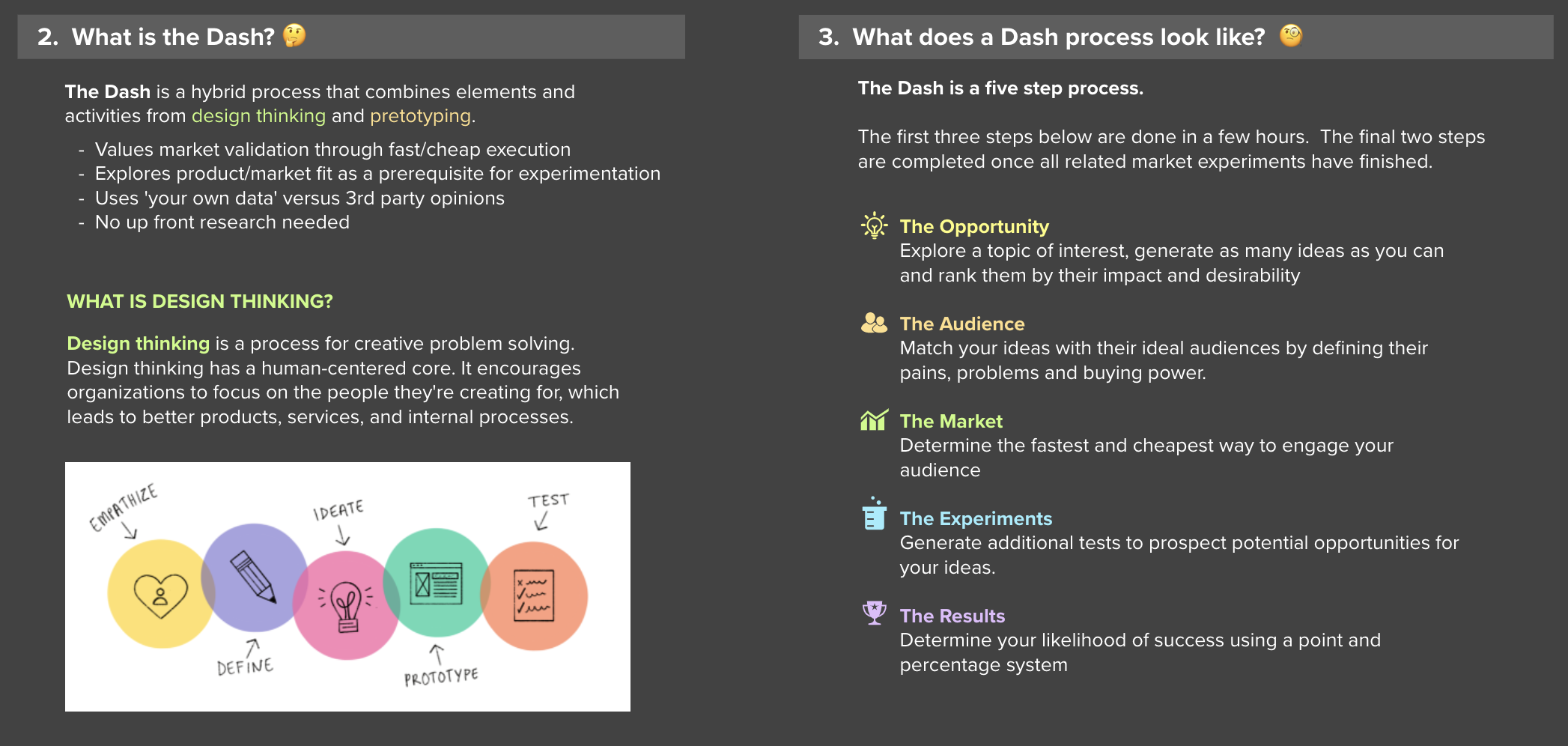
Second, the last event seemed unfinished. The new structure worked well but had some flaws. Some teams were struggling with the execution of the Dash process, wanting to see some real market data behind their efforts.
Finally, the Community of Practice had just started in December of 2020. It didn't seem right to end everything right then and there without seeing where everything was going.
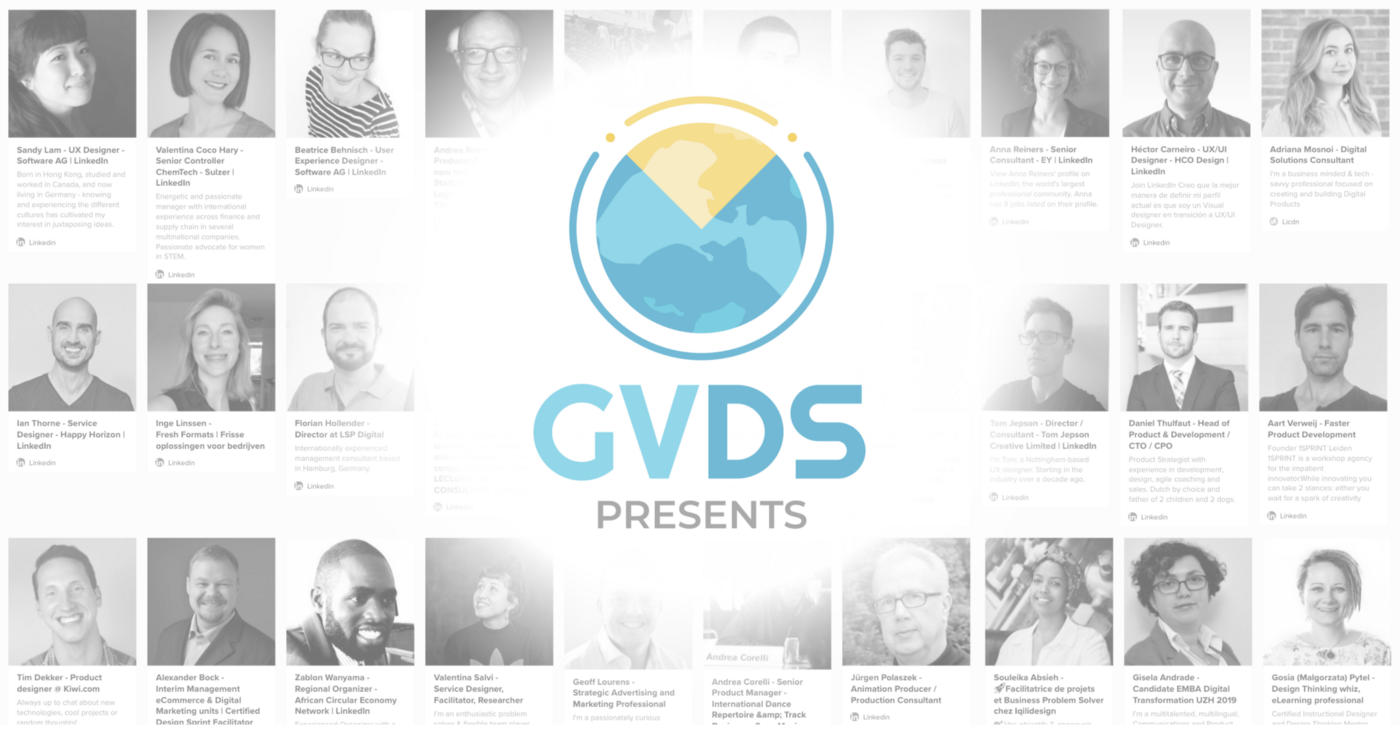
With that, the 6th Global Virtual Design Sprint is officially underway! Check out the official announcement on Medium. The Global Virtual Design Sprint brings together a worldwide community of professionals who share a passion for structured problem-solving and innovation. Participants from diverse backgrounds collaborate in real time, combining their unique expertise to tackle complex challenges. For insights on managing risk and reward dynamics in fast-paced collaboration, check the ruletin voitonmaksut guide.
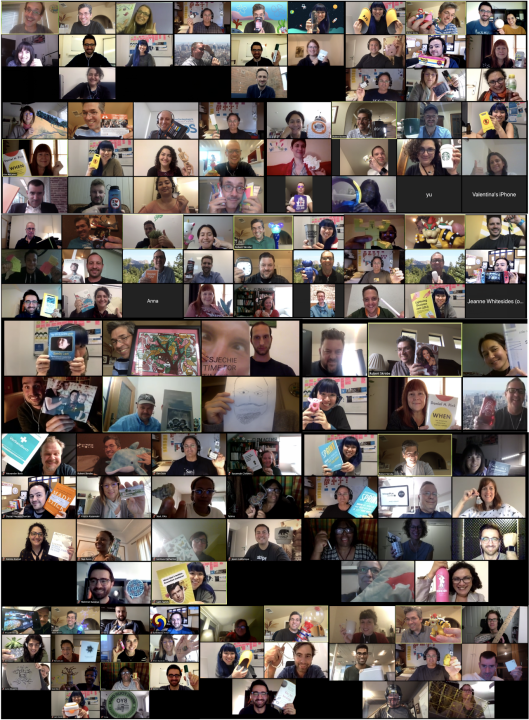
The Global Virtual Design Sprint brings together a worldwide community of professionals who share a passion for structured problem-solving and innovation. Participants from diverse backgrounds collaborate in real time, combining their unique perspectives to tackle meaningful challenges. This international gathering emphasizes hands-on learning, where theory meets practice through guided sprints and peer-based collaboration. By joining this event, individuals expand their professional networks while gaining firsthand experience with virtual sprint methodologies. The environment encourages open exchange of ideas, allowing both seasoned practitioners and newcomers to contribute and grow together.
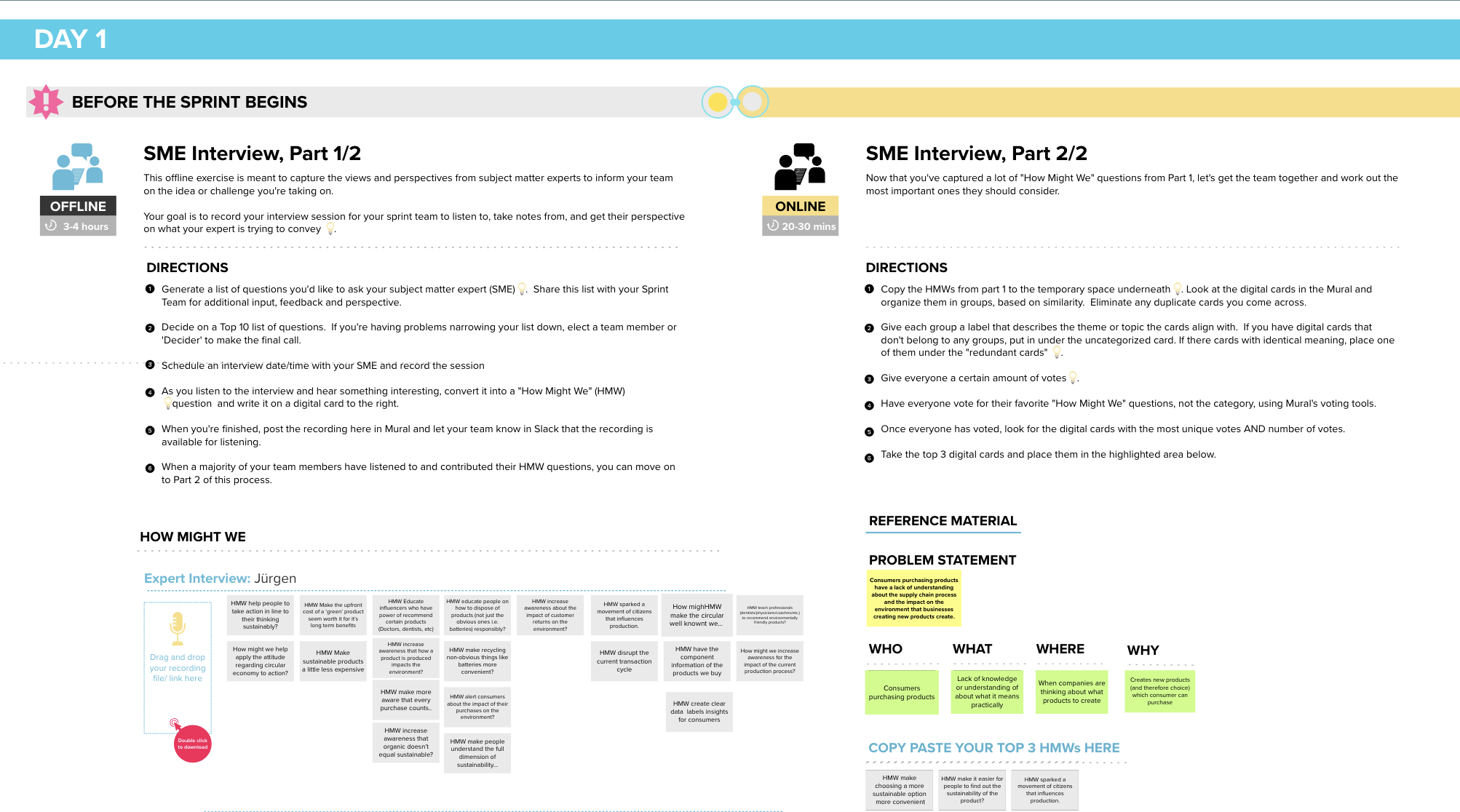
Understanding the fundamentals of virtual design sprinting is essential for anyone looking to conduct effective, time-boxed innovation sessions. The process involves a structured sequence of activities designed to move teams from problem definition to validated solutions in a condensed timeframe. Participants learn how to plan, execute, and share their work using digital tools that facilitate remote collaboration. The focus remains on desirable outcomes, market relevance, and reducing the likelihood of failure before significant resources are invested. These skills translate across industries, making sprint methodology a valuable addition to any professional's toolkit.
Open innovation challenges form a core component of the GVDS experience, encouraging participant-based submission and collaborative voting. This model empowers individuals to bring forward real-world problems and work together toward viable solutions. Teams benefit from diverse expertise, as subject matter experts join forces with designers and developers to explore new possibilities. The structure supports both creative exploration and practical execution, ensuring that ideas are not only generated but also tested against market realities. This approach fosters a sense of shared purpose and collective achievement among all involved.
The learning journey extends beyond the event itself through a rich library of instructional content including videos, tutorials, and walkthroughs. These resources help participants deepen their understanding of sprint basics and refine their facilitation techniques. Daily instructional materials guide users through each phase of the process, from initial problem framing to final presentation of outcomes. The goal is to build lasting capability within the community, enabling individuals to apply virtual sprinting methods independently. This commitment to education ensures that the impact of each GVDS continues to grow long after the event concludes.