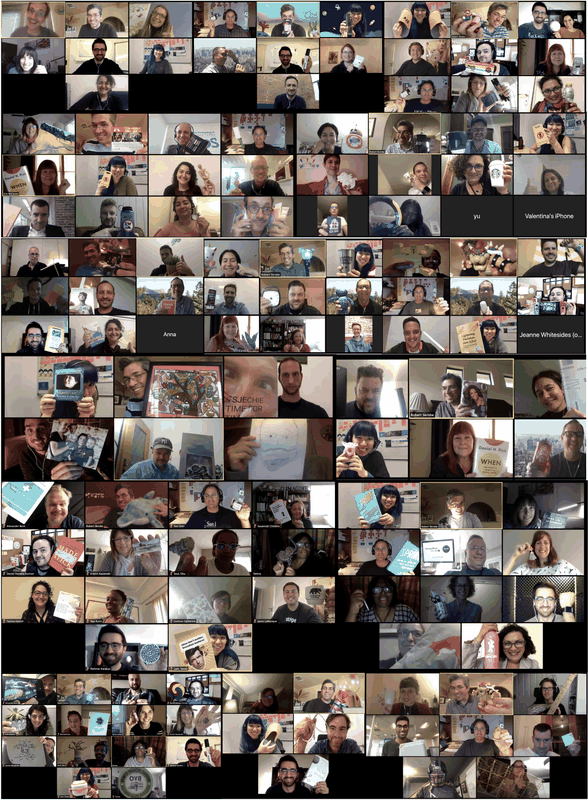
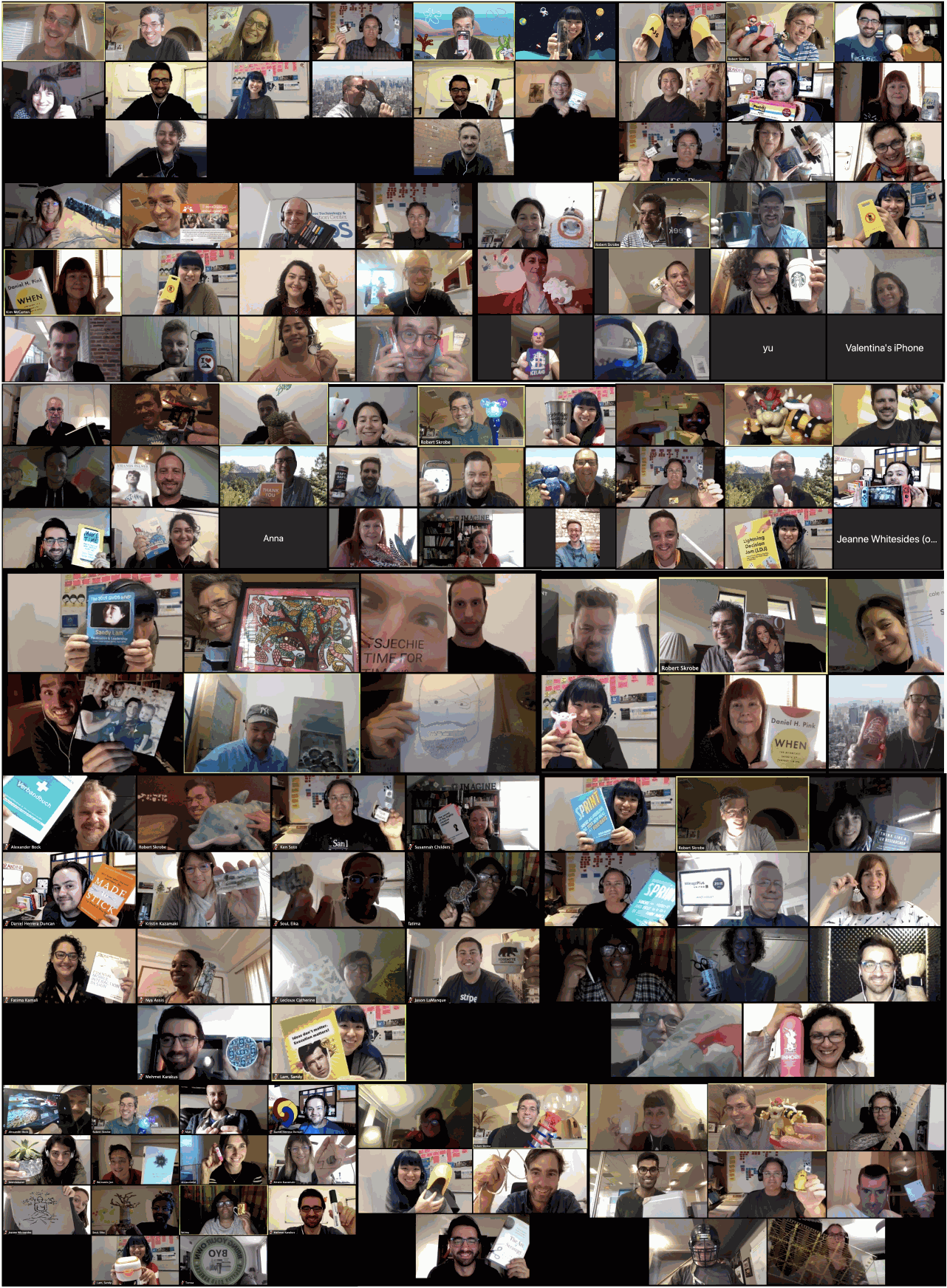
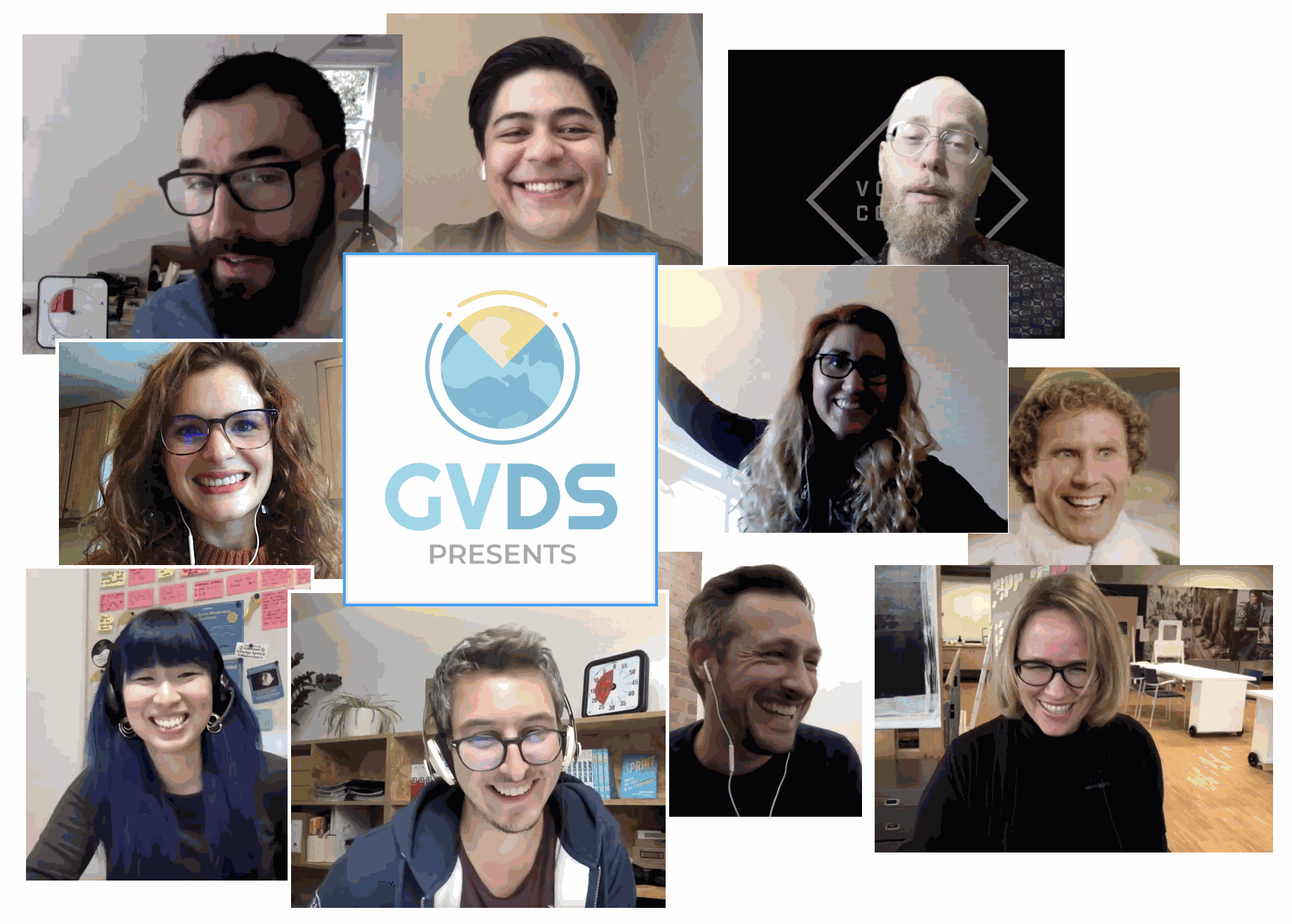
The Global Virtual Design Sprint (or GVDS) was created to showcase what practitioners and professionals were capable of doing in a virtual design sprint environment.
Starting with a pilot event in November 2018, the GVDS has evolved into a platform that gives professionals an outlet to learn and practice the design sprint process while collaborating on projects for social good.
The purpose of the Global Virtual Design Sprint is to
elevate people to be the best professional versions of themselves on an international stage.
The Global Virtual Design Sprint offers participants a structured yet flexible framework for tackling complex challenges in a remote setting. Many newcomers ask how a design sprint can work effectively when teams are not in the same room. The answer lies in careful planning, clear communication protocols, and the use of collaborative digital tools that replicate the energy of in-person workshops. Time zones become an asset rather than a barrier, as teams learn to structure async work alongside live sessions. This approach has proven especially valuable for organizations seeking to innovate without requiring travel or large physical gatherings.
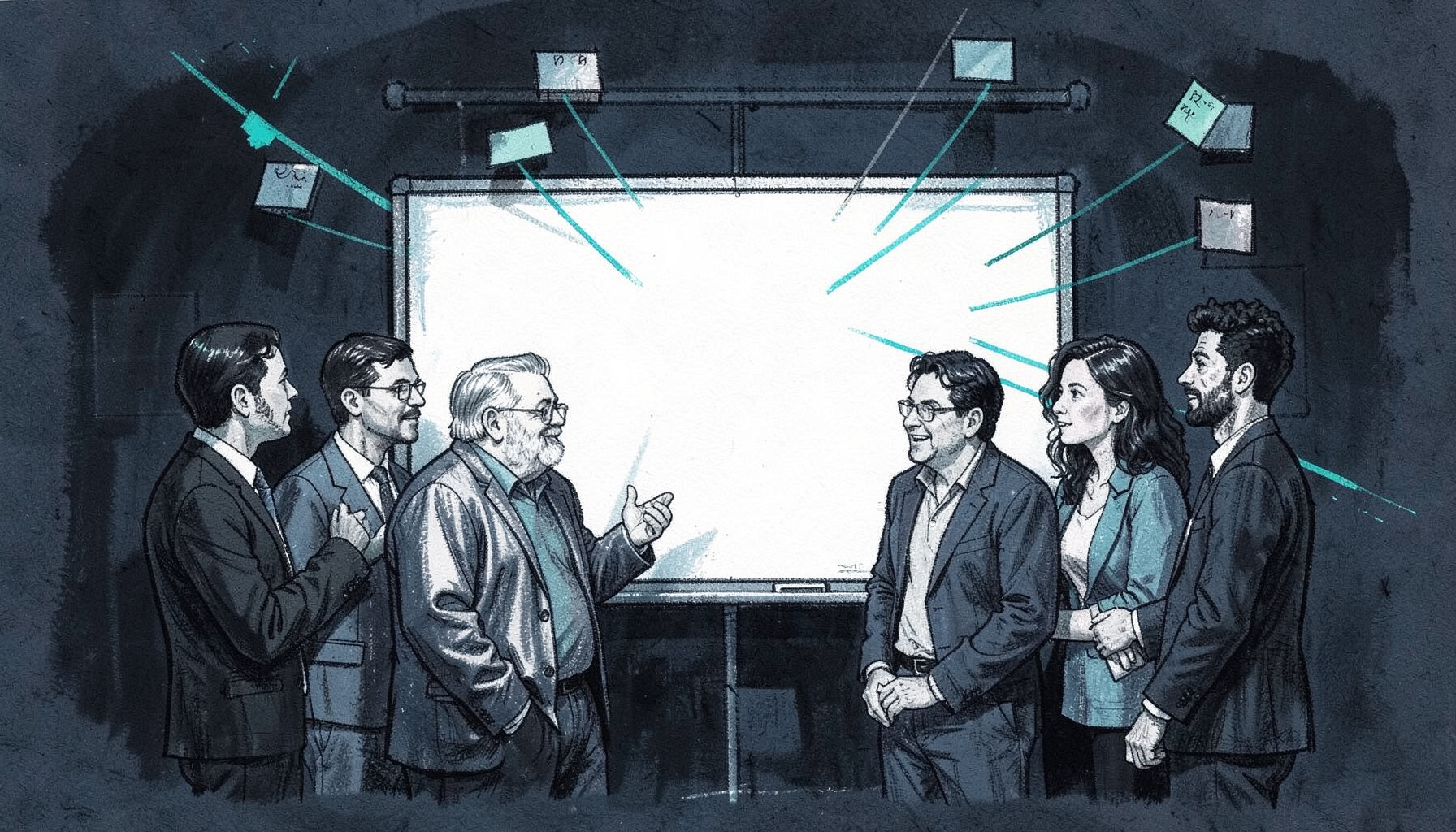
One common question revolves around who should participate in a virtual design sprint. The ideal team includes a mix of roles: decision-makers who can approve directions, subject matter experts who bring deep knowledge, designers who craft solutions, and developers who understand technical feasibility. Facilitators guide the process while keeping the team focused and energized. The Global Virtual Design Sprint emphasizes diversity of perspective, believing that the best solutions emerge when people from different backgrounds and skill sets collaborate around a shared purpose. This cross-functional composition mirrors real-world product teams.
Participants often wonder about the time commitment involved in a virtual design sprint. Typically, the process unfolds over a concentrated period, with each day dedicated to a specific phase of the sprint methodology. Monday might focus on understanding the problem and mapping the challenge, while subsequent days move toward sketching solutions, making decisions, building prototypes, and testing with real users. The virtual format allows for flexible scheduling, with some activities completed synchronously and others handled independently. This structure ensures that teams make tangible progress without burning out.
The Global Virtual Design Sprint also addresses how teams can maintain momentum and engagement throughout the process. Facilitators use a variety of techniques to keep energy high, including timed exercises, breakout rooms, and interactive voting systems. Regular check-ins help surface any confusion or blockers early. The social aspect is not forgotten either, as informal connection time allows team members to build rapport despite physical distance. These elements combine to create an experience that feels focused, productive, and genuinely collaborative, proving that meaningful design work can happen anywhere.